
Help The Homeless To Vote In The Upcoming Elections
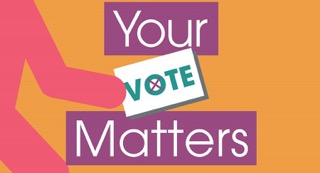 With low levels of voter registration among people who are homeless, and a deadline of 22nd May to register for the General Election, can homelessness services increase democratic engagement in time to make a difference?
Homeless Link has produced a really useful guide for helping the homeless to register to vote in the upcoming elections. You can find it here http://www.homeless.org.uk/connect/blogs/2017/apr/25/homeless-not-voteless
The Homeless Link guide gives six key lessons gleaned from their 2015 ‘Your Vote Matters’ project:
- You don’t need an address to register
People who are sleeping rough, or otherwise without an address, can complete a form called ‘Register to vote: No fixed or permanent address’. Find them here for each country.
- People worry about how their information will be used
There’s a common perception that registering to vote means personal information will be shared and lead to problems, like being chased for old debts. Homeless Link’s factsheet explains how data is used, and how to stay off the open/edited register. People with safety concerns can apply to be registered anonymously (evidence is needed).
- It’s a good idea to invite politicians to homelessness services
Homeless Link were impressed by how many candidates visited homelessness services during Your Vote Matters in 2015, even when there was a short lead-in time. Feedback from these visits was excellent, with conversations or Q&A increasing engagement and understanding on both sides.
- Share information about policy platforms
People often ask for unbiased resources to help them compare party policies. Look out for tools and summaries once the manifestos are published. You never know how people will vote – keep activities party-neutral.
- Offer 1-1 support, involve peers, and make links to wider client involvement work
Registering to vote online is quick, but having people on-hand to explain things like the open register will make it easier for someone to complete the process with confidence. Involve peer mentors or resident representatives, and make links between democratic engagement activities and opportunities for decision-making in your service.
- Be prepared with positive messages
You will encounter resistance and ambivalence about political engagement. Speak to people in your service who are already registered to vote and find out why it matters to them, and use Homeless Link’s Dealing with Disengagement factsheet to prepare your key messages. They found that “being registered to vote improves your credit rating” was the most effective message for action, especially when coupled with immediate access to online registration. Even if people choose not to register this time, they will be better informed ahead of future elections.
As well as the Your Vote Matters resource pack, the Cabinet Office funded a range of accessible materials for under-represented groups, collected here: www.gov.uk/government/collections/democratic-engagement-resources


